
How Long Does a Drywall or Plaster Job Take? A Realistic Timeline
· By Leonardo Ferreira Barbosa
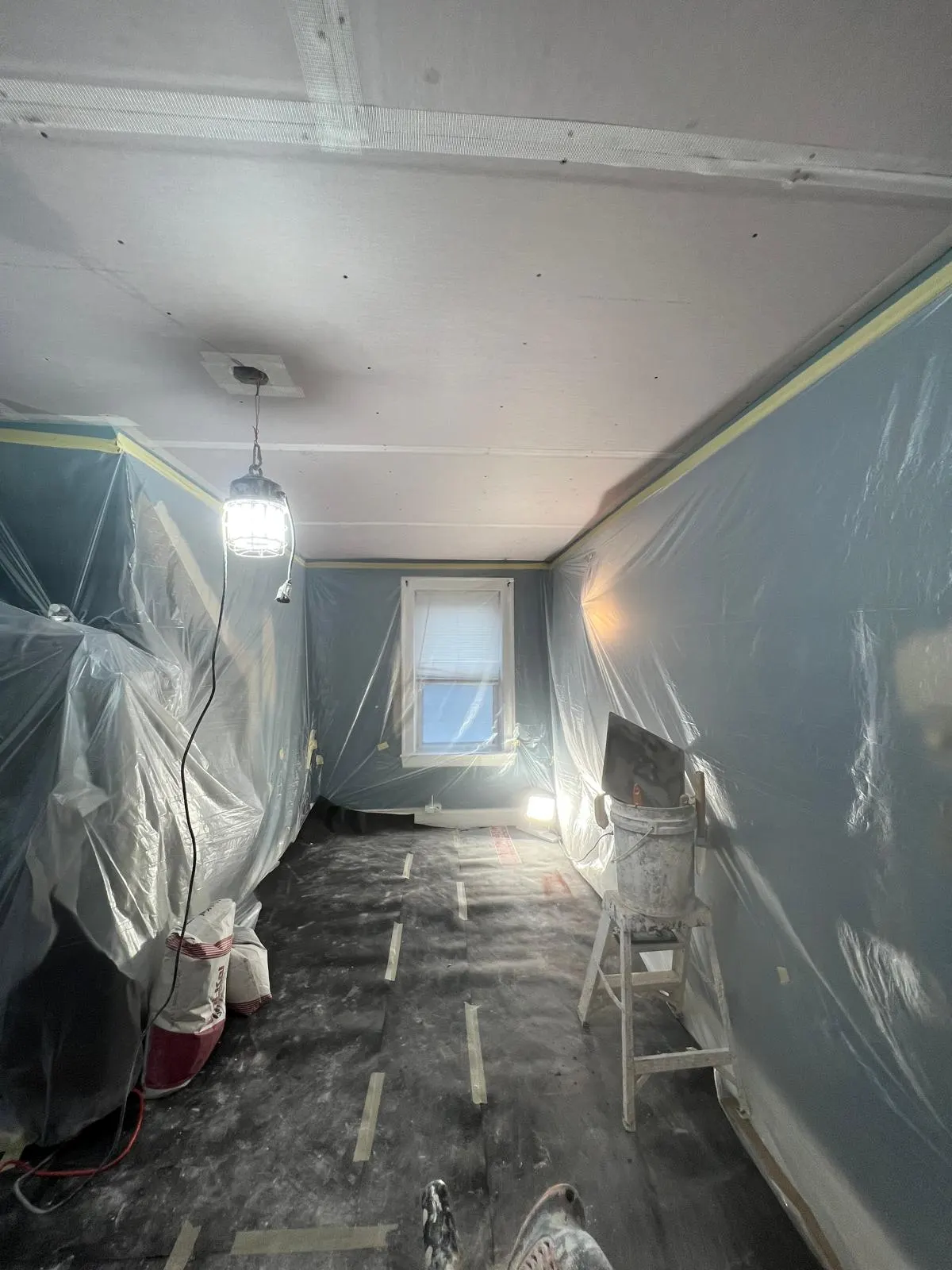
One of the first questions homeowners ask is how long the work will disrupt their home. The honest answer is that drywall and plaster jobs take longer than most people expect, mostly because of drying time between steps.
A single room can move quickly, while a whole basement or an addition spans a couple of weeks. And plaster, because of curing, follows a different clock than drywall. Knowing the stages helps you plan around the work, whether you are in Malden, Medford, or Boston.
This guide breaks down a realistic timeline stage by stage, and the factors that can stretch it out.
The stages of the work
Every drywall job moves through the same basic stages: prep and protection, hanging the board, taping and coating the seams, sanding, and priming. Plaster follows a similar path but replaces the multi-coat taping with a plaster finish coat that needs to cure.
The reason these jobs take time is that most stages need the previous one to dry before the next can start. You cannot sand wet compound, and you cannot paint over a coat that has not set. That drying time is the biggest factor in the schedule.
A single room
For a single room, hanging the drywall might take a day. Taping and finishing then happens over multiple visits, because each coat of compound needs to dry before the next goes on, usually a day between coats.
Realistically, a standard room finished to a smooth, paint-ready level often spans several days from start to primer, even though the hands-on hours are fewer than that. Rushing the drying is where quality problems start.
A basement or larger area
A finished basement or a large open area has far more surface, more corners, and often ceiling work, so it takes proportionally longer. Hanging alone can take several days, and the finishing stages add more on top of that.
For a project of that size, planning for a couple of weeks from start to paint-ready is a realistic expectation. The exact time depends on the square footage, the finishing level, and how many crew members are on it.
Why plaster follows a different clock
Veneer plaster over blueboard can actually reach a finished surface in fewer coats than drywall taping, but the plaster then needs time to cure before painting. Traditional multi-coat plaster takes the longest of all, since each coat must set.
The upside is a harder, more seamless surface. The tradeoff is that you should not plan to paint the moment the plaster is troweled on. Building that curing window into your schedule keeps the finish from being compromised.
What causes delays
Humidity is the big one. Damp conditions slow drying, which pushes back every stage that follows. High humidity in a New England summer, or a poorly ventilated basement, can add days.
Other common causes are hidden repairs discovered once work begins, such as water damage or framing issues, changes to the scope mid-project, and difficult access that slows material handling. A thorough estimate up front reduces surprises.
How to plan around the work
The best approach is to expect the full timeline rather than the fastest-possible one, and to keep the room clear so the crew can work efficiently. Good airflow and reasonable heat help the compound or plaster dry on schedule.
A clear, written scope with the finishing level spelled out is the single best way to get an accurate timeline. During a free estimate, a contractor can walk your space and give you a realistic schedule for your specific project rather than a generic guess.
Frequently asked questions
- How long does it take to drywall a single room?
- Hanging can happen in a day, but taping and finishing to a smooth, paint-ready level usually spans several days because each coat of compound needs to dry before the next. Rushing the drying leads to quality problems.
- How long does a basement drywall project take?
- A finished basement typically takes a couple of weeks from start to paint-ready, depending on square footage, finishing level, and crew size. There is far more surface, more corners, and often ceiling work than a single room.
- Does plaster take longer than drywall?
- Veneer plaster can reach a finish in fewer coats, but it needs curing time before painting, and traditional multi-coat plaster takes the longest of all. Plan for a curing window rather than painting immediately.
- What can delay a drywall or plaster job?
- High humidity is the most common cause, since it slows drying between stages. Hidden repairs found once work starts, scope changes, and difficult access can also add time. A thorough up-front estimate reduces surprises.
Related services
Serving
Found this helpful? Make us a preferred source on Google.
Ready for an exact price?
Get a free, no-pressure in-home estimate. Real numbers for your home, not a phone guess.