
How to Fix a Water-Damaged Ceiling (and When to Call a Pro)
· By Leonardo Ferreira Barbosa
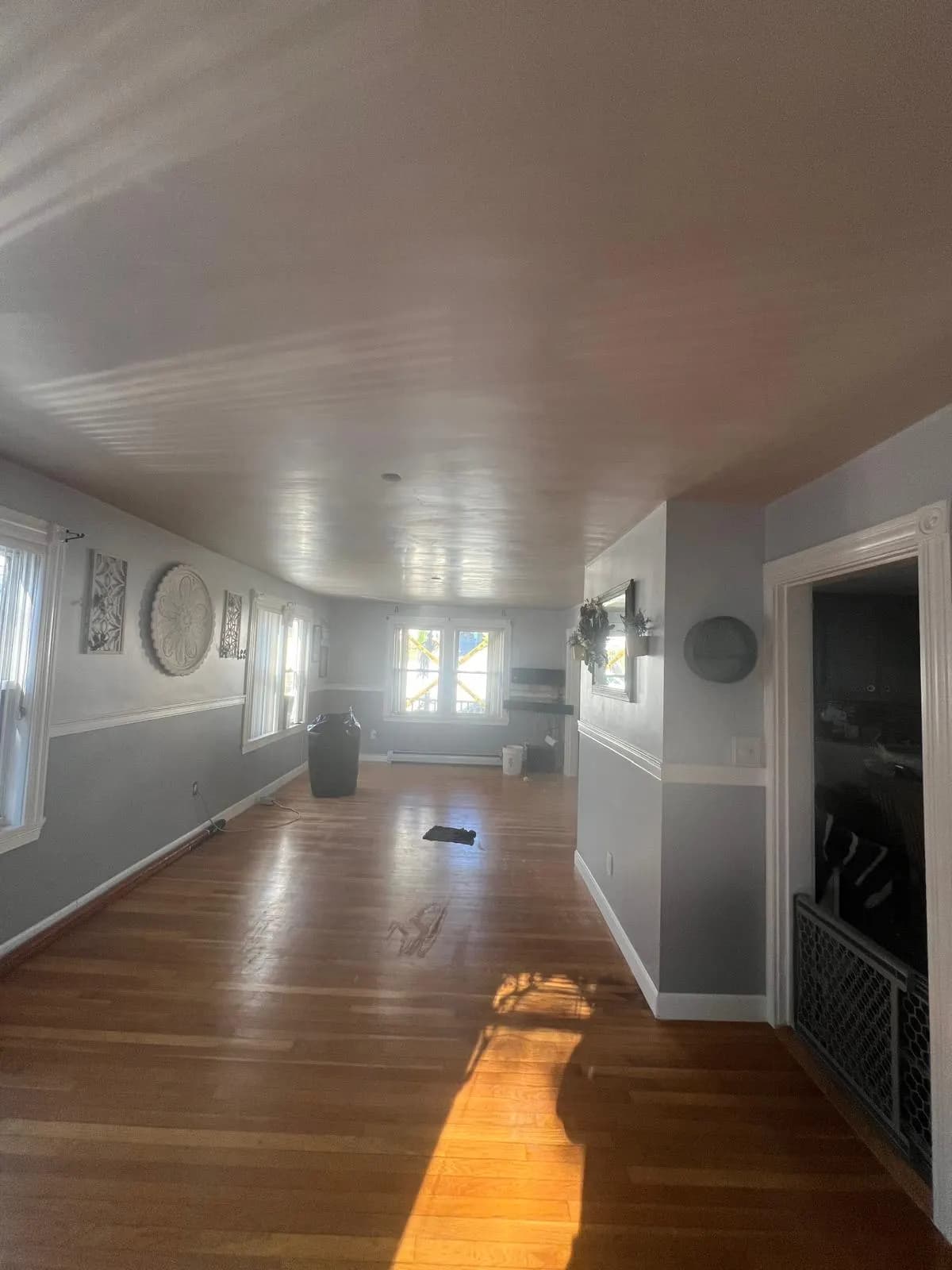
A brown ring on the ceiling is one of those problems that only gets worse the longer it sits. Water damage can point to anything from a small roof drip to a failing pipe, and the stain is usually just the visible edge of the issue.
Between old plumbing, snow load, and ice dams, water-damaged ceilings are a common call across Greater Boston, from Everett two-families to single homes in Melrose.
This guide walks through how to handle a water-damaged ceiling, what you can tackle yourself, and the clear signs it is time to bring in a professional.
Step one: find and stop the source
Before any repair, you have to stop the water. Painting or patching over a stain while the leak is active just means the damage comes back, often worse. Common sources include roof leaks, ice dams in winter, a leaking pipe in the floor above, or an overflowing bathroom.
If the stain is under a bathroom or kitchen, plumbing is a likely culprit. If it appears after heavy rain or snow, look up toward the roof. Tracking down the source can take some detective work, and it is worth doing right before you spend money on the finish.
Assess how bad the damage is
Once the water is stopped, check how far the damage spread. A faint stain on otherwise firm drywall is minor. A ceiling that sags, feels soft or spongy, or has bubbling and peeling means the material has absorbed a lot of water and likely needs to be cut out and replaced.
Press gently on the area. If it flexes or crumbles, the drywall or plaster has lost integrity. Sagging is a warning sign that a section could come down, so keep people and furniture clear of it until it is addressed.
The mold question
Water and time create the conditions for mold, especially in the cavity above the ceiling where you cannot see it. If the leak went on for a while or the area stayed damp, there may be mold you cannot spot from below.
A musty smell, dark spotting, or a leak that persisted for days are all reasons to have the area inspected before you close it back up. Sealing mold inside a ceiling only lets it keep growing.
Repairing minor stains
For a small, dry, firm stain with no sagging, the repair can be straightforward. The area is sealed with a stain-blocking primer so the discoloration does not bleed through, then repainted to match. Skipping the stain-blocking step is a common mistake, because ordinary paint often lets the ring reappear.
If there is minor surface roughness, a light skim coat can smooth it before priming and painting. This kind of cosmetic fix is within reach for a handy homeowner once the leak is truly resolved.
Replacing damaged sections
When the material is soft, sagging, or crumbling, patching over it will not hold. The damaged drywall or plaster needs to be cut out, the area allowed to dry fully, and a new patch installed, taped, and finished to blend with the surrounding ceiling.
On a plaster ceiling, this is more involved than on drywall, because matching the texture and hardness of surrounding plaster takes skill. A clean patch that disappears into the ceiling is very different from an obvious rectangle of new material.
When to call a pro
Call a professional if the ceiling is sagging, if a large area is affected, if the ceiling is plaster, or if you suspect mold. These situations involve safety, structure, and a finish that is hard to match without experience.
It is also worth a call when you want the repair to be invisible. Blending a patch into an existing ceiling, especially a textured or plaster one, is where the difference between a DIY fix and a professional result really shows. A free estimate can tell you exactly what your ceiling needs.
Frequently asked questions
- Can I just paint over a water stain on my ceiling?
- Only after the leak is fixed, and only with a stain-blocking primer first. Ordinary paint alone usually lets the stain bleed back through. If the area is sagging or soft, painting will not fix it and the material needs to be replaced.
- How do I know if my ceiling needs to be replaced or just repaired?
- Press on the area. A firm, dry, faintly stained ceiling can often be primed and repainted. A ceiling that sags, feels soft, or crumbles has lost integrity and the damaged section needs to be cut out and replaced.
- Is a sagging ceiling dangerous?
- It can be. Sagging means the material is saturated and could come down. Keep people and belongings clear of the area and have it assessed promptly rather than waiting.
- Should I worry about mold from a ceiling leak?
- If the leak lasted more than a day or two, or you notice a musty smell or dark spotting, have the cavity inspected before closing it up. Sealing mold inside the ceiling lets it keep growing.
Related services
Serving
Found this helpful? Make us a preferred source on Google.
Ready for an exact price?
Get a free, no-pressure in-home estimate. Real numbers for your home, not a phone guess.